由于陆军车辆预算受到打击,意大利增加了 GCAP 战斗机支出
原文:Italy boosts GCAP fighter spending as Army vehicles take a hit in budget
英文正文:点「译成中文」可整篇机器翻译(免费通道,不花钱),翻好永久缓存、下次秒开。
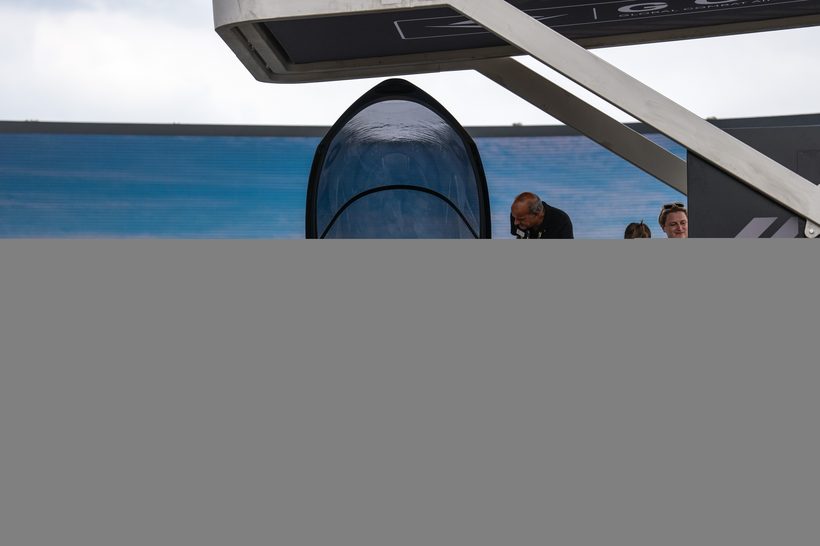
新公布的支出文件显示,意大利今年增加了 GCAP 战斗机的支出,同时减少了对新型陆军坦克和战车的资金投入。
Featured:
Italy boosts GCAP fighter spending as Army vehicles take a hit in budget By

ROME — Italy has hiked its spending on the GCAP fighter this year while reducing funding for new army tanks and fighting vehicles, newly released spending documents have revealed.
Rome has spent €875 million ($970 million) in 2026 on GCAP – the program for a sixth-generation fighter which teams Italy with the United Kingdom and Japan.
That is up on last year’s €625 million and far higher than the €275 million that planners writing in last year’s budget document predicted would be spent in 2026.
The new numbers are contained in the much delayed Italian defense budget for 2026, which was sent by the defense ministry to parliament this week for approval.
Defense News has seen the part of the document containing the breakdown on costs per program, but not the section listing total spending.
The GCAP nations in July handed a £4.6 billion ($6.1 billion) development contract to their national champions building the jet after the U.K. freed up delayed cash.
The 18-month contract went to Edgewing, the industrial consortium grouping the firms building the fighter. Germany is reportedly now mulling signing up after the collapse of its plan to build the FCAS jet with France.
The 2026 budget document, which contains spending forecasts, predicts Italy will spend €696 million on the GCAP program in 2027.
Meanwhile spending on heavy army vehicles in 2026 was lower than forecast, despite Italy working on a new main battle tank and fighting vehicle with Rheinmetall.
The program envisages the delivery of 1,050 Lynx vehicles and 272 Panther tanks as part of a €23 billion euro deal. But in July, Italian defense minister Guido Crosetto said Italy would cut 18% in costs from the program.
The new document puts spending on the two new programs, as well as upgrades to Italy’s ageing Ariete tanks, at €177 million in 2026, lower than last year’s €281 million and far lower than the €425 million that last year’s document predicted would be spent in 2026.
By way of compensation, this year’s budget predicts a major hike in spending on the three programs to €872 million in 2027.
Although Defense News has not seen the section of the budget giving total expenditures, a tally of the costs of the individual program outlays this year amounts to €12.8 billion, up by €307 million from the €12.5 billion given by totaling all the programs in the 2025 budget.
Italy’s F-35 program, which involves the eventual purchase of 115 aircraft, cost Italy €782 million in 2026, less than the the €961 million planners last year forecast it would receive.
This year’s budget document has been the focus of heated political debate as defense spending comes under the spotlight ahead of Italian national elections next year, which will see incumbent right wing prime minister Giorgia Meloni seeking reelection.
Meloni’s arguments in favor of defense spending have come under fire from both her allies and foes, including Matteo Salvini, the head of League party which forms part of Meloni’s coalition, and Robert Vannacci, a former army general running a new party to the right of Meloni.
Among opposition parties, the Five Star party has also criticized defense spending, claiming they are diverting scarce funds from health spending.
Students who have recently taken to the streets in Italy as part of a Europe-wide wave of street protests have listed a cut to arms spending as one of their main aims.
The opposition to arms spending has coincided with growing opposition to supplying arms to Ukraine, a policy Meloni has fought for since her election in 2022.
Notifications
正文由本站服务器抓取保存(已自动过滤广告、推荐位与追踪图片),排版与原站可能不同;版权归原站所有。

