美国空军采用新的部队设计,重点关注传感器和自主性
原文:US Air Force adopts new Force Design focusing on sensors and autonomy
英文正文:点「译成中文」可整篇机器翻译(免费通道,不花钱),翻好永久缓存、下次秒开。
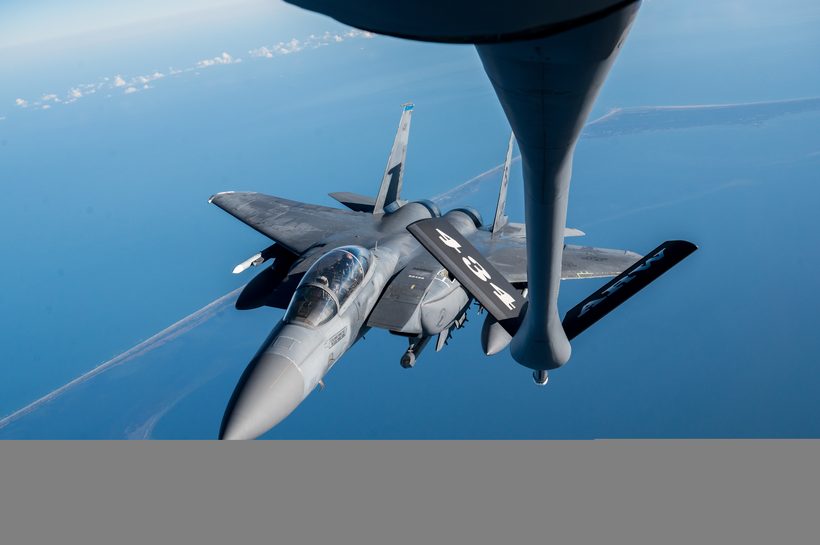
空军新的《部队设计 2026》概述了向人工智能、自主性和集成传感器的转变,以应对新出现的威胁。
Featured:
US Air Force adopts new Force Design focusing on sensors and autonomy By

The U.S. Air Force has changed its strategic outlook, announcing a new Force Design 2026 that replaces its previous standards established in 2024.
“The U.S. Air Force Force Design 2026 provides an enduring framework for identifying operational problems, shaping capability development, and informing modernization priorities – ensuring the Air Force evolves how it fights, and that it fields a winning force,” an Air Force spokesperson told Military Times.
“The Force Design is a classified document so there is no releasable copy,” the spokesperson said.
In October 2024, the service announced it would follow guidance set out in a “One Force Design” document, signed by then-Chief of Staff Gen. David Allvin and said to be the “North Star” for Air Force modernization plans.
It introduced three distinct mission areas, effectively divvying up air defenses against unmanned aircraft systems. The Air Force’s drone-killing capabilities were classified in the 2024 document in categories of short-range, long-range and intercontinental defense, respectively.
Although the new Force Design 2026 document is classified, the service’s release hints at some key changes.
The new strategic outlook is said to be “more sharply articulating the need for change, and the capabilities the Air Force needs” to defeat sophisticated technology.
It lists sensors, networks and artificial intelligence as having had a rapid impact on air defenses.
“New technologies are enabling fantastic capabilities that were unimaginable just a few years ago, but those same technologies threaten some of the ways we have historically generated airpower,” Lt. Gen. Chris Niemi, deputy chief of staff for Force Modernization and Chief Modernization Officer, said in the release.
In another nod to where air defense is going, the document also notes that the “future Air Force” will seek to integrate autonomy, sensors and command and control with aircraft to “generate effects,” with a particular emphasis on being able to perform synchronously in denied environments.
In other words, a new focus on sensors and software is at play rather than on intercepting and destroying individual drones.
Air Force Chief of Staff Gen. Ken Wilsbach said in the service’s statement that the new Force Design “presents a fundamental shift” in the Air Force’s approach.
“New technologies are enabling fantastic capabilities that were unimaginable just a few years ago, but those same technologies threaten some of the ways we have historically generated airpower,” Wilsbach said.
About
Zita Ballinger Fletcher previously served as editor of Military History Quarterly and Vietnam magazines and as the historian of the U.S. Drug Enforcement Administration. She holds an M.A. with distinction in military history.
Notifications
正文由本站服务器抓取保存(已自动过滤广告、推荐位与追踪图片),排版与原站可能不同;版权归原站所有。