根据新协议,日本将使用印度靶场进行远程导弹训练
原文:Japan to use Indian ranges for long-range missile training under new pact
英文正文:点「译成中文」可整篇机器翻译(免费通道,不花钱),翻好永久缓存、下次秒开。
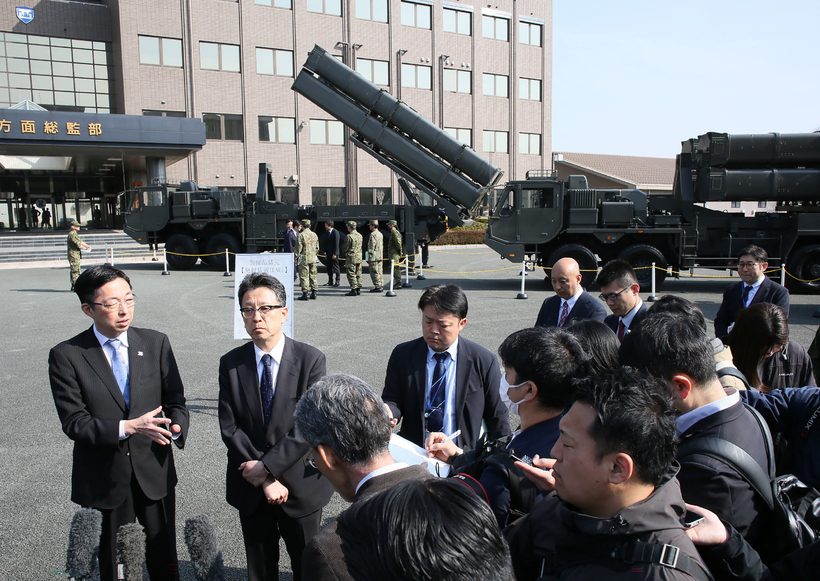
日本官员于十月份访问了印度,评估其导弹射程是否可以进行反舰导弹和小型攻击无人机的训练。
Featured:
Japan to use Indian ranges for long-range missile training under new pact By
Anjana Pasricha

NEW DELHI — India will allow Japanese troops to conduct live-fire missile training at its firing ranges for the first time as Tokyo looks overseas for facilities to test its long-range missile capabilities including surface-to-ship missiles.
The signing of a Letter of Intent (LOI) regarding the use of the Indian ranges was announced on Nov. 19, following a meeting between the two countries’ foreign and defense ministers in Tokyo.
The move marks a significant step in deepening defense cooperation between the two Asian countries.
Japanese officials visited India in October to assess whether its missile ranges could accommodate training with anti-ship missiles and smaller attack drones.
Chief of Staff of the Japan Ground Self-Defense Force Masayoshi Arai told reporters in Tokyo last month that the visit’s aim was to determine how to conduct training that makes full use of the roughly 1,000-kilometer range of Japan’s Type-25 surface-to-ship missile, which he described as “a major challenge.”
Limited space in the island country for long-range live-fire exercises has prompted officials to look for training options overseas. Access to Indian ranges could help overcome that limitation.
To bolster its military strength amid growing concerns over China’s military activity in the region, Japan began deploying long-range missiles on the southern island of Kyushu this year. The deployment is part of Japan’s effort to strengthen its deterrence and stand-off defense capabilities as it makes a significant shift in its post-World War II security posture.
A joint statement by the two countries after last week’s meeting welcomed the signing of the Letter of Intent, “whereby Japan Self-Defense Forces would, for the first time, conduct live-fire training etc., including those involving surface-to-ship missiles, at firing ranges in India.”
Japanese Defense Minister Shinjiro Koizumi said the arrangement was significant not only for expanding the scope of training for Japanese forces but also as a demonstration of a new phase in Japan-India cooperation.
The meeting between the Indian and Japanese defense ministers – their third in the last four months — also focused on enhancing military and arms industry cooperation between the two countries.
They agreed to accelerate negotiations toward finalizing their first-ever defense technology cooperation initiative under which India and Japan are jointly developing and manufacturing advanced integrated communication antenna systems for Indian Navy warships.
Developed for the Japanese navy, the Unified Complex Radio Antenna (UNICORN) system helps reduce the radar signature of naval vessels. Under the proposed agreement, a state run Indian company will collaborate with Japanese defense firms to co-produce the advanced mast for future Indian navy warships.
New Delhi has been seeking greater Japanese involvement in its defense industry and access to advanced technology as part of its efforts to strengthen domestic manufacturing.
After the talks in Tokyo, Indian Defense Minister Rajnath Singh said potential areas for collaboration between the two countries include naval shipbuilding, unmanned and autonomous systems and advanced defense technologies.
Amid their deepening defense cooperation, Japan deployed its fighter jets in India for the first time in September during a bilateral air exercise held in the Indian city of Jodhpur. Tokyo sent F-2A fighter aircraft for the exercise, known as Veer Guardian 2026.
At the recent meeting, both sides agreed to incorporate unmanned systems and increase the complexity of future exercises.
Notifications
正文由本站服务器抓取保存(已自动过滤广告、推荐位与追踪图片),排版与原站可能不同;版权归原站所有。